
airbnb's new 'lazylord' tier is the validation my nervous system has been begging for
like, what if not wanting to tell a guest the wifi password was a valid trauma response? brian chesky is finally asking the real questions and my inner child feels so held.

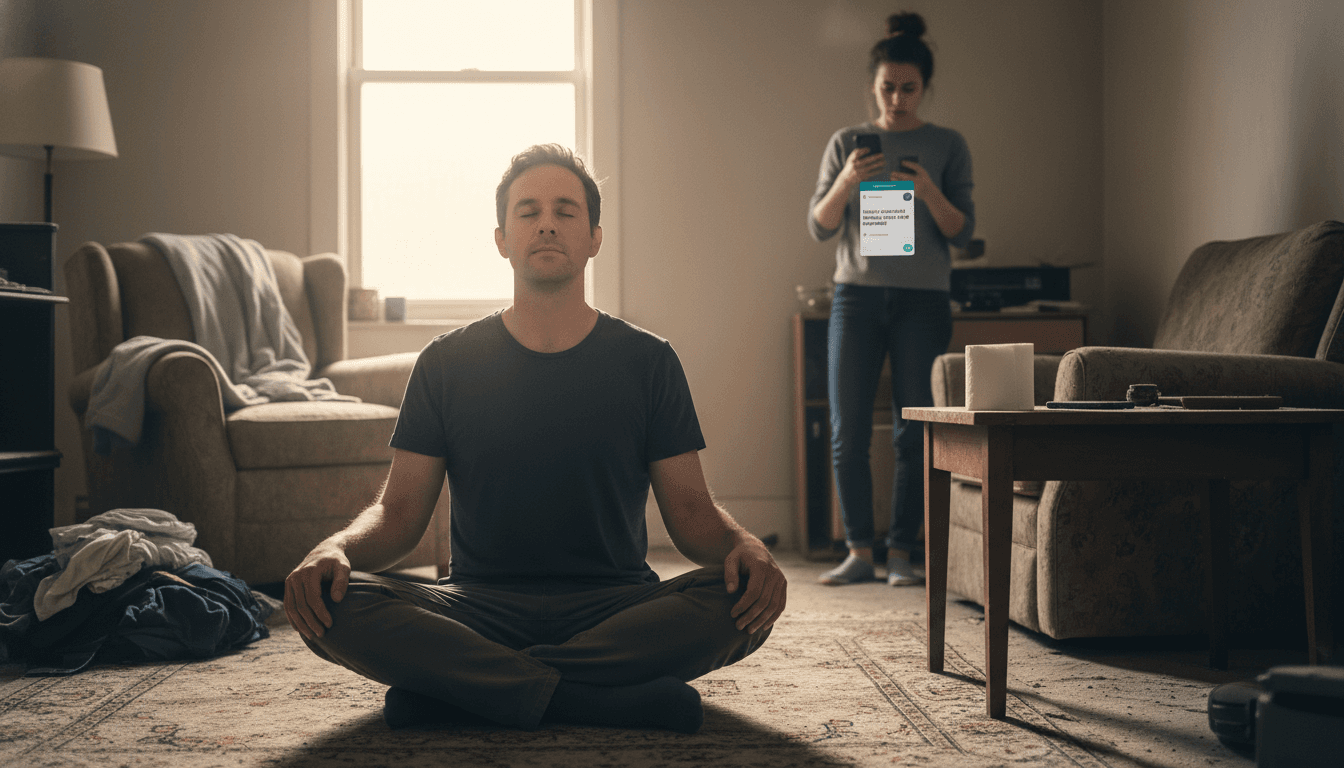
tw: capitalism, passive income, landlords, emotional labor, guest requests
i'm literally shaking right now. in what is maybe the bravest act of corporate self-care i have ever witnessed, airbnb ceo brian chesky just announced a new hosting tier called 'airbnb lazylord.' and like, i know the word 'landlord' can be a massive trigger, but just breathe with me and hold space for this, because it's actually revolutionary.
for so long, the economy has been this like, deeply toxic situationship, and the emotional labor of being a host—of having to perform 'welcoming' and 'helpful' for strangers in your investment property—is a totally un-decolonized form of work. the expectation to respond to a message asking for more towels at 9 p.m. is, and i don't say this lightly, a literal assault on the parasympathetic nervous system.
brian chesky must have been, like, doing the work in therapy, because the 'lazylord' tier is designed to protect a host's energetic boundaries. hosts who opt-in are only required to provide the bare legal minimum for a habitable dwelling. one pillow. one roll of toilet paper. a door that locks. that's it.
the most healing part? all guest communication is outsourced to an AI chatbot trained exclusively on the work of brené brown. so, if you're a guest and you ask where the extra blankets are, the bot won't give you a location. it will gently ask, 'it sounds like you're coming from a place of scarcity. what stories are you telling yourself about the cold?' it's about empowering guests to solve their own problems instead of engaging in the psychic vampirism of asking a host for help.
this is the future of business. this is what happens when a ceo stops grinding and starts aligning. it's about acknowledging the trauma of a bad review, the exhaustion of pretending to care if your guests from ohio have a 'nice time.'
_obviously_, navigating a space where your basic needs aren't being met can be dysregulating for you as a guest. to help you create your own emotionally safe container when your lazylord is setting their boundaries, i've curated some essentials on my amazon storefront. think aromatherapy diffusers to mask the smell of mildew, and a really cute portable charger for when you find out only one of the outlets works. self-soothing is a radical act.
so yeah. while some people (who probably think 'hustle culture' is a personality) will call this 'bad service,' what i call it is progress. it's the quiet quitting of the gig economy, a brave acknowledgment that sometimes, the most profitable thing you can do is absolutely nothing. and that's a vibe i can get behind.
Join the WiredNeuron Community
Discuss today's analysis and share your perspective on the latest tech and political developments with our readers.
Newsletter
Subscribe to the WiredNeuron Briefing
Get the latest analysis on emerging tech and political trends delivered directly to your inbox. No spam, just high-signal journalism.
Reader Discussion (10)
I know this is satire but the part about guests asking for more towels at 9pm is painfully real. Some people just don't understand that I'm running a business, not a hotel.
So you pay a $200 cleaning fee for a place with one roll of toilet paper and then get gaslit by a robot when you ask for more? This is the most perfect, hellish summary of the entire platform.
'Trained exclusively on the work of Brené Brown' is a meaningless phrase. Are we talking a fine-tuned LLM or a simple rules-based chatbot with a specific response tree? The implementation details matter.
This is peak late-stage capitalism. Monetizing neglect and dressing it up in therapy-speak so the laptop class can feel good about exploiting people.
I find this incredibly validating. Setting clear, non-negotiable boundaries is crucial for preventing burnout, and it's refreshing to see a company model this behavior on a larger scale.
My generation traveled the world without needing an 'emotionally safe container.' We got a room key and a bar of soap and we were happy. Kids these days are too soft.
Horrible branding, but I see the play here. They're segmenting the market to capture the ultra-low-cost, zero-expectation traveler, effectively competing with hostels while framing it as a premium 'wellness' feature. Bizarre, but it might just work.
My landlord has been an unofficial 'lazylord' for the past decade. At least this way it's honest.
Being psychoanalyzed by a Brené Brown bot for wanting a blanket is the most dystopian, yet oddly fitting, customer service experience for the year 2024. I'm not even mad.
And this is why hotels will always win. Free tiny shampoo bottles for life.