
Disrupting The Grief Cycle: a16z's GriefLyft App Achieves 10x Mourning Efficiency
Finally, a VC-backed solution to the massive market inefficiency of human sorrow. Andreessen Horowitz's latest portfolio unicorn, GriefLyft, is gamifying the bereavement process, but its 'Proactive Condolence' feature is causing some minor UX friction with beta testers who aren't dead yet.

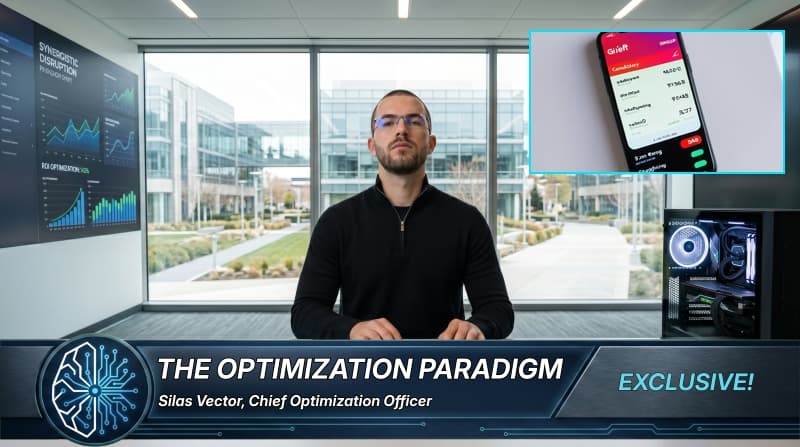
Let's be brutally honest: the legacy meatspace process for grieving is a UX nightmare. The user journey is buggy, the emotional resource drain is catastrophic for productivity, and there are zero actionable KPIs. It's an analog process in a digital, optimized world. Frankly, if you’re still processing loss without a dedicated app, you’re basically running emotional DOS. You’re leaving human capital on the table.
Enter GriefLyft, the latest Series B triumph from the visionaries at Andreessen Horowitz. This isn't just an app; it's a full-stack, vertically integrated platform for streamlining the bereavement lifecycle. The UI is clean, the feature set is robust, and the goal is audacious: to make mourning efficient, trackable, and scalable.
After syncing with your biometric wearables (if you don't have an Oura Gen 4 by now, what are you even doing?) and social feeds, GriefLyft generates your proprietary GriefScore™. This score is your north star metric, an at-a-glance quantification of your progress through the five stages. Users can compete on leaderboards within their 'Mourning Circle,' A/B test different cathartic triggers, and deploy AI-generated 'Sympathy-as-a-Service' texts to handle the tedious task of acknowledging condolences.
Marc Andreessen, a16z General Partner, articulated the vision perfectly in a recent podcast appearance. 'Grief has been an unaddressable TAM for centuries,' he stated, likely from a rig far superior to yours. 'We're not just building an app; we're building the future of emotional throughput. We see a world where you can process the loss of a loved one over a weekend and be back to shipping code by Monday's stand-up.'
This week, GriefLyft rolled out its most disruptive feature yet: Proactive Bereavement Notifications. Leveraging predictive analytics and data scraped from health provider portals, the app alerts users to a loved one's *impending* demise, allowing them to get a head start on the grieving process. It’s Grief-as-a-Service (GaaS).
The rollout has experienced some minor friction. Beta testers have reported receiving push notifications like, 'Our algorithm suggests a 74% probability of a terminal event for ‘Grandma Susan’ in the next 60 days. Start your Grief Journey now for a 15% discount on minting her Memory Aura NFT.' Another user complained their app sent a pre-condolence notification for their perfectly healthy father after he ate a burrito with a high sodium content.
Legacy thinkers call this an ethical minefield. I call it innovation. GriefLyft isn't making mistakes; it's simply operating on a higher plane of data-driven efficiency that the un-optimized human brain perceives as a bug. This isn't a failure; it’s an aggressive iteration toward a future where no one has to waste a single unproductive moment on something as inefficient as organic sorrow. Now, if you'll excuse me, my calendar alert for a scheduled 5-minute cathartic cry just went off.
Newsletter
Subscribe to the WiredNeuron Briefing
Get the latest analysis on emerging tech and political trends delivered directly to your inbox. No spam, just high-signal journalism.
Reader Discussion (10)
Disrupting the grief cycle? THIS is the kind of innovation we need! Think about it - this opens up a whole new market for AI-powered sympathy cards, personalized mourning playlists, and even Grief Tourism. The future is here, folks!
Just wait until they start charging you for 'premium' grief stages or selling your 'GriefScore' to insurance companies. This is just another way for Big Tech to monetize our misery.
My grandma died last week, but my GriefLyft app says I'm only at 35% through the 'Denial' stage. This game is rigged! Maybe if I grind some XP and unlock the 'Tears of Joy' achievement, things will go faster.
I love how GriefLyft quantifies grief! Finally, a way to track my emotional progress in real-time. My GriefScore is currently at 78.2%, so I'm feeling pretty good about my journey through the five stages.
Did anyone else notice that GriefLyft needs access to your entire social media history? What are they doing with all that personal information? This is way creepier than those Facebook 'memory' suggestions.
This is just another example of how technology is being used to exploit and commodify our most vulnerable moments. Grief is a deeply personal experience that should not be reduced to a set of data points.
Back in my day, we dealt with grief the old-fashioned way - with human connection, support from loved ones, and a good cup of tea. We didn't need apps to tell us how to feel.
The real innovation here is the use of predictive analytics and Proactive Bereavement Notifications. It's a simple solution that leverages existing data to provide valuable insights. Anyone complaining about it clearly doesn't understand how technology can improve our lives.
This is going to be a train wreck. Just wait until people start suing GriefLyft for giving them false alarms about their loved ones' deaths.
I can see the potential here, but I also have some reservations. We need to be careful not to devalue human connection and empathy in our pursuit of efficiency.